
DeLand Previous Resident Eras
No single roll spans the life of a DeLand address. The present parcel card supplies the starting name and deed reference. The Clerk's digital index takes the chain through recent decades, while older index books and media continue at the courthouse. Directories, census pages, maps, permits, and news archives shift the question from ownership to occupancy and use.
| Source | Years It Covers | Where Held | What It Shows |
|---|---|---|---|
| Current parcel and sales history | Current roll and displayed sales | Volusia Property Appraiser | Owner, mailing and situs addresses, exemptions, deed references |
| Digitized Official Records | April 4, 1988 to present | Volusia County Clerk | Grantors, grantees, instruments, and legal descriptions |
| Earlier deed books and indexes | 1887 forward on Clerk media | DeLand courthouse and archives | Pre-digital transfers and title links |
| City and reverse directories | Volume-specific | Volusia County Public Library and local archives | Listed occupants by name or address |
| Federal census | Public schedules through 1950 | NARA and library databases | Households at an enumeration address |
| Permits and Sanborn maps | Surviving files and edition-specific sheets | DeLand Building, LOC, and libraries | Work dates, applicants, footprint, and use |
Start with the record closest to the date being studied. For a recent transfer, use the Property Appraiser Public Access and deed index. For a mid-century household, the address section of a directory may work faster. For an older structure, keep the lot, block, subdivision, and legal description in view because a modern street address may not appear in the early record.
Start the DeLand Address Chain
The weekly updated Property Appraiser roll accepts an address, owner name, Alternate Key, or Parcel ID. Open the parcel card and copy the situs address, owner mailing address, municipality, Parcel ID, Alternate Key, legal description, sales history, and instrument references. Situs means the physical location of the land. The mailing address is where tax-roll mail goes, so the two can differ.
A homestead exemption is consistent with owner occupancy, but it does not identify every person in the home. Likewise, an out-of-area mailing address can suggest an owner lives elsewhere without proving who occupies the DeLand property. Treat both as leads. The parcel's municipality also matters because a postal DeLand address can sit outside incorporated DeLand.
Note: Copy the legal description before leaving the parcel card; it is the most durable link when an address changes.
Walk DeLand Deeds Backward
The Volusia Clerk Official Records index is the core tool for recent previous residents research, though it records land transactions rather than occupancy. Begin with the current acquisition deed. The buyer is the grantee, and the seller is the grantor. Searching the seller in the opposite role can uncover the deed by which that seller acquired the same lot.
- Pull the current owner, legal description, and latest instrument reference from the parcel card.
- Open the buyer's acquisition deed and record both parties, date, instrument number, book and page, and land description.
- Search that grantor as a grantee, then match the earlier result by subdivision, lot, or legal text.
- Repeat the role switch until the chain reaches the digital cutoff or a transfer that needs more context.
- At the cutoff, ask for the proper index and deed book at the Clerk's DeLand research facilities.
- Grantor and grantee
- The grantor gives or sells an interest; the grantee receives it.
- Chain of title
- The linked series of recorded transfers for the same land.
- Legal description
- The deed's formal lot, block, subdivision, or boundary identity, which can survive a street change.
Quitclaim deeds, trusts, name changes, estate deeds, and transfers between relatives can interrupt a simple buyer-seller pattern. A probate case or marriage record may explain the changed name. The Recording Department is in Room A121 of the Volusia County Courthouse, 101 N. Alabama Avenue, and appointments are recommended for historic books. Staff can explain the equipment, but they do not perform a title search.
Search DeLand and De Land
Historical records may spell the city as “De Land.” That small gap can recover a missed directory, newspaper, or catalog result. DeLand became the county seat after its nineteenth-century growth, while county deeds and probate books reach into an earlier records era than many city departments.
The community name is most useful from the 1880 census era onward. Earlier searches need Volusia County, a family surname, and land clues. The destroyed 1890 federal population schedules make annual directories, deed and tax evidence, and newspapers especially useful for that gap. This is a local reason to keep the address chain wider than census records alone.
Date a DeLand House
A transfer date is not always the date a house appeared. Library of Congress Sanborn maps can show a building footprint, use, street label, and development around a DeLand lot in the editions that survive. Exact local sheet years should be checked in the collection record or with a librarian rather than assumed.
For an incorporated parcel, the DeLand Citizen Portal and Building records can add work type, application date, status, and applicant or contractor. Those fields date a project, not a household. Postal DeLand also covers North DeLand, West DeLand, DeLand Southwest, and other unincorporated areas, so a county permit source may be correct instead.
Downtown deserves special care. The Great Fire of 1886 burned 22 buildings holding 33 businesses between Rich and New York avenues. Later masonry rules, maps, deeds, and business listings can help explain changes to a downtown parcel, but the fire is not proof that courthouse deed books burned.
Match DeLand Previous Residents
Owners are only half the history. A reverse or criss-cross directory lists entries by street address, while an alphabetical section starts with a person's name. Compare editions on both sides of a transfer date, then use the nearest public census schedule to test who made up the household. The collection details and entry codes belong on the DeLand city directory page.
- Search the address in each available reverse guide, recording the exact printed street form.
- Look up each listed person in the alphabetical section for spouse, occupation, and address details.
- Find the nearest census year through NARA or a library genealogy database and check the full household.
- Bridge gaps with the DeLand News archive, obituaries, probate dockets, and later directories.
The DeLand Regional Library at 130 E. Howry Avenue has genealogy holdings. Its databases include the DeLand News Historical Archive, Ancestry Library Edition, Fold3, HeritageQuest, newspapers, and Heritage Hub obituary searching. Ancestry Library Edition is for in-library use. The system's dedicated genealogy librarian is based at Daytona Beach Regional Library, so a focused research request can be useful when a local shelf search stalls.
Lawful use. Research DeLand previous residents for house history, genealogy, heirs, or personal curiosity. Never use a past address to track, threaten, or harass a living person.
Close the DeLand Resident Trail
An obituary can name relatives, a former address, church ties, or a funeral home. It is family-reported evidence, not a certified fact. Check a death date against Florida health records, then search the Volusia Clerk's probate docket for an estate, personal representative, and public filings that link the person to the land.
The Volusia health department certificate desk is the local channel for eligible birth and death certificate requests.
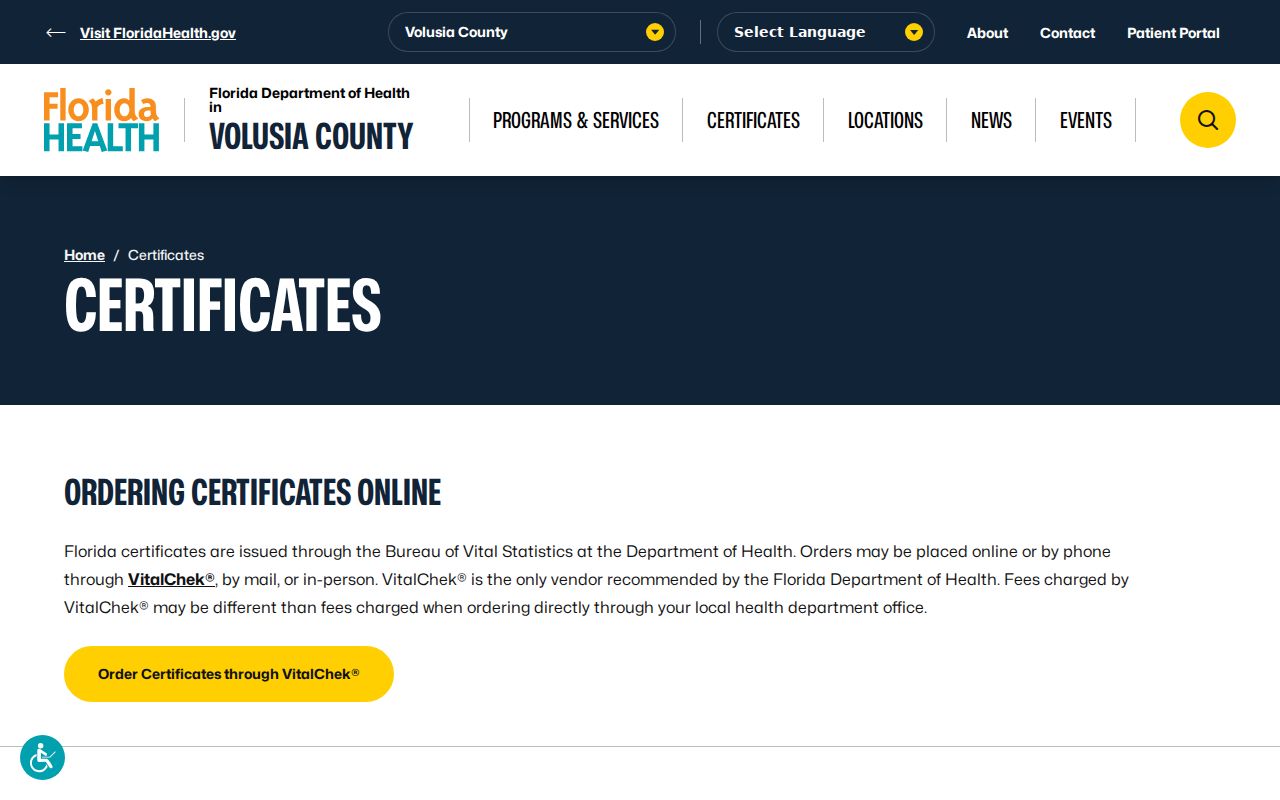
The local desk does not turn a certificate into proof that a person occupied the house. Match the event record to the address trail and other family evidence.
The statewide Florida birth certificate service explains who may obtain a restricted birth record and how to apply.
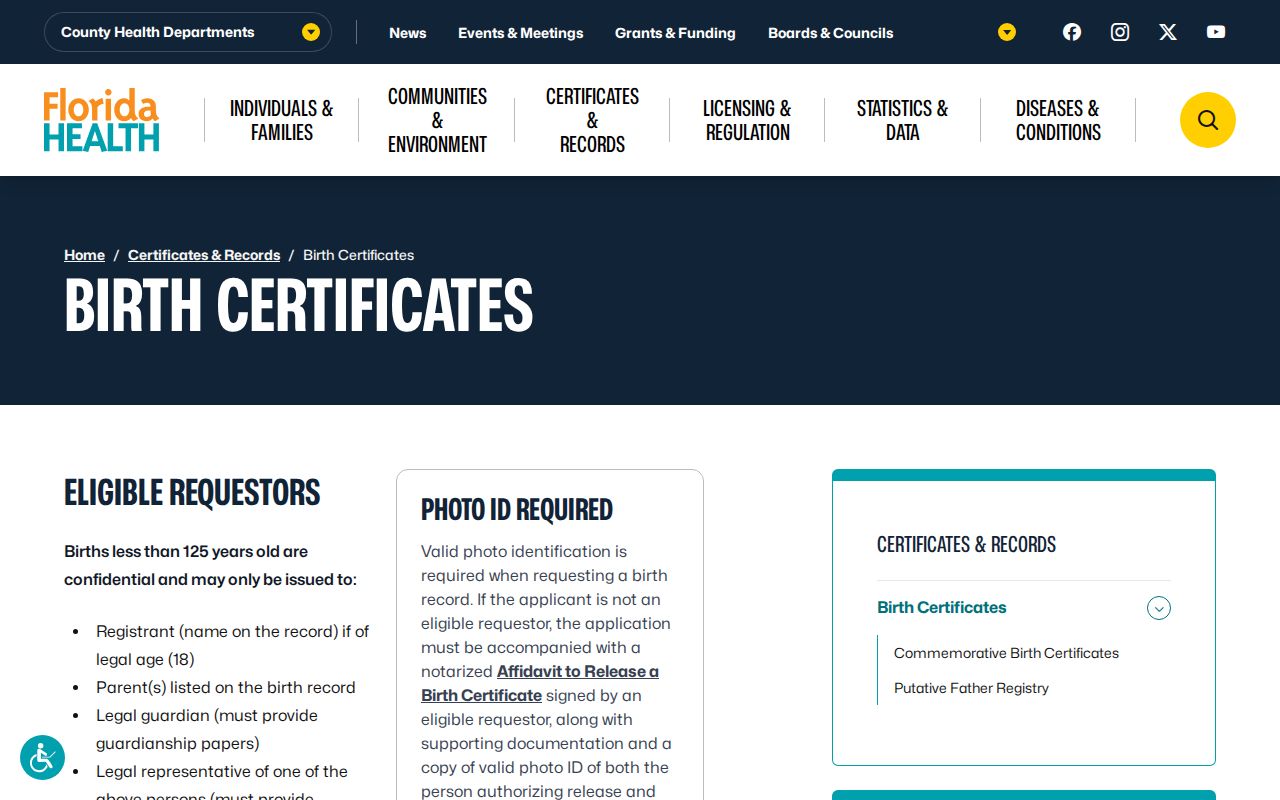
Florida birth certificates less than 125 years old are confidential except to eligible applicants. Do not treat the absence of open access as a broken historical trail.
The Florida death certificate service explains ordering and access rules.
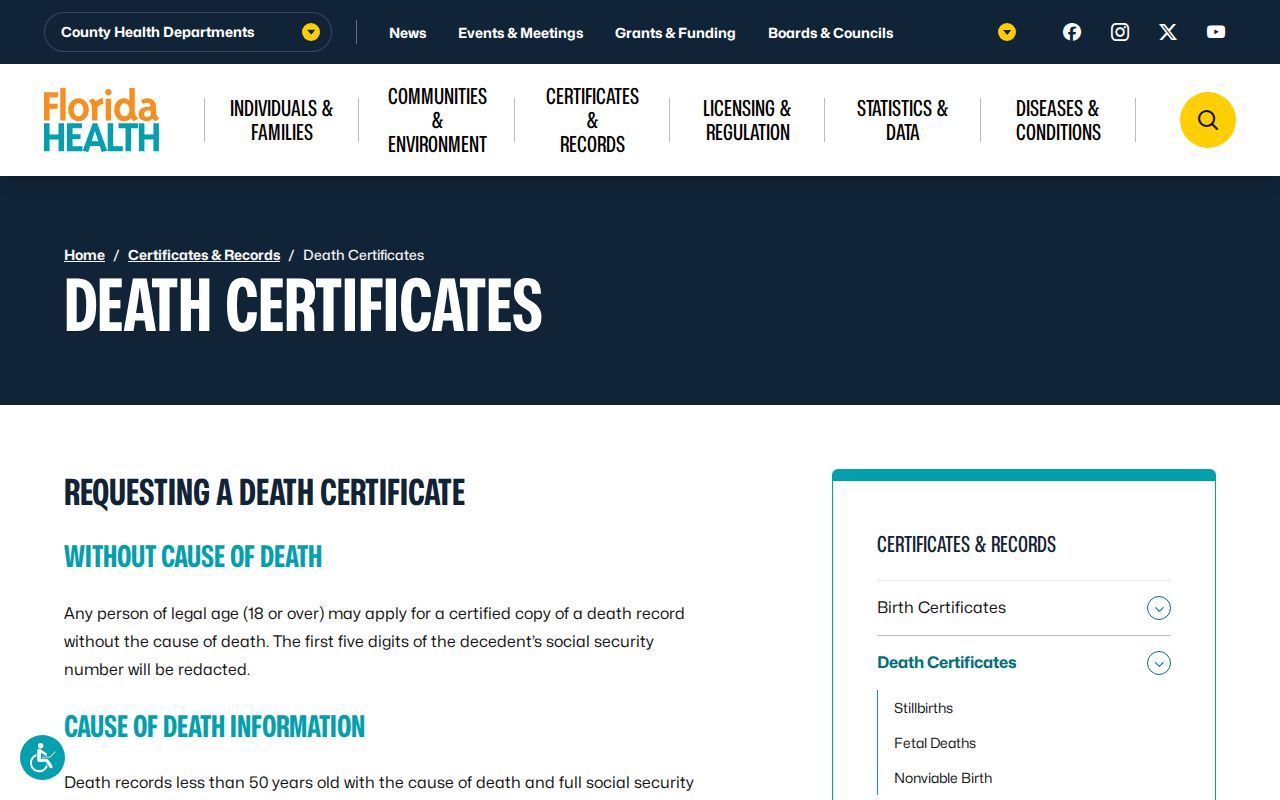
Cause-of-death access is restricted for certificates less than 50 years old. Other access depends on the certificate and applicant.
The state also publishes a separate Florida marriage record service for event records held by the Bureau of Vital Statistics.
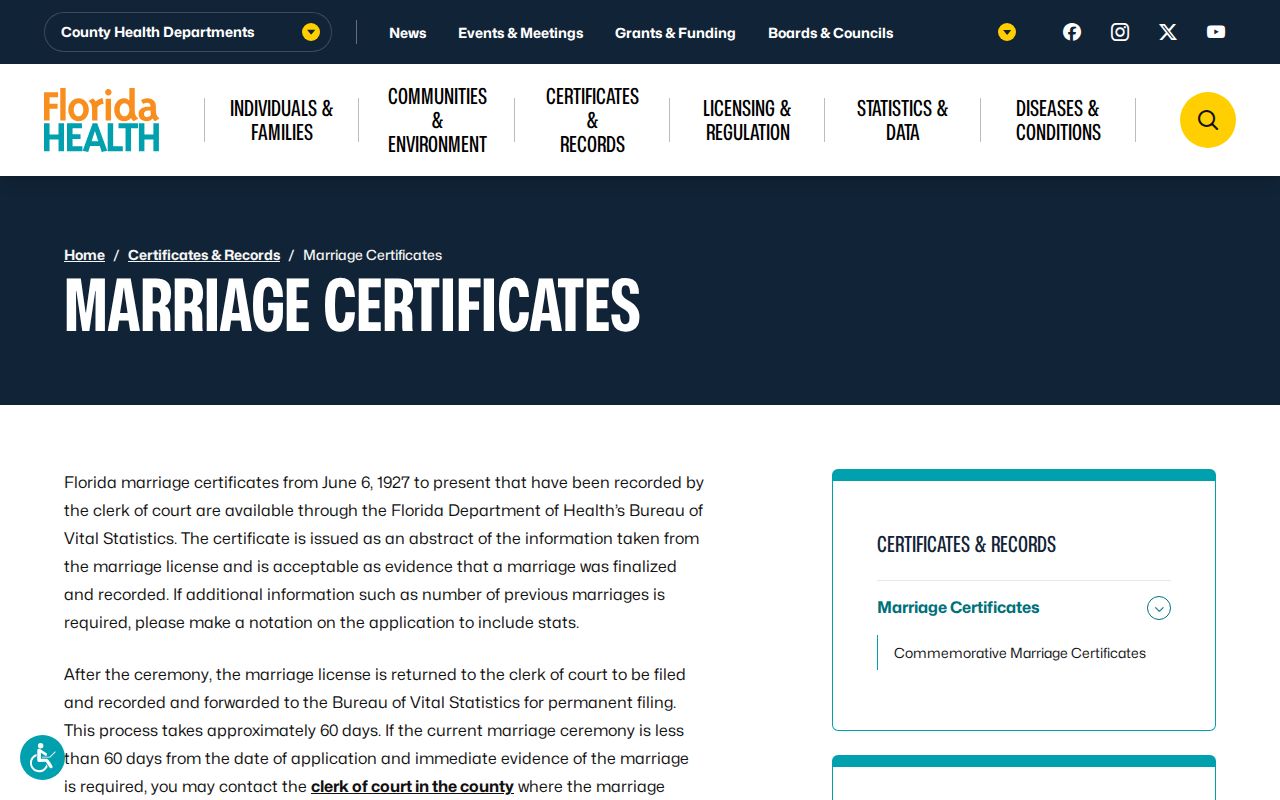
A marriage record can explain a surname change that interrupts a deed or directory chain, but it still needs a matching date and identity.
For a later household split, consult the official Florida divorce record service.
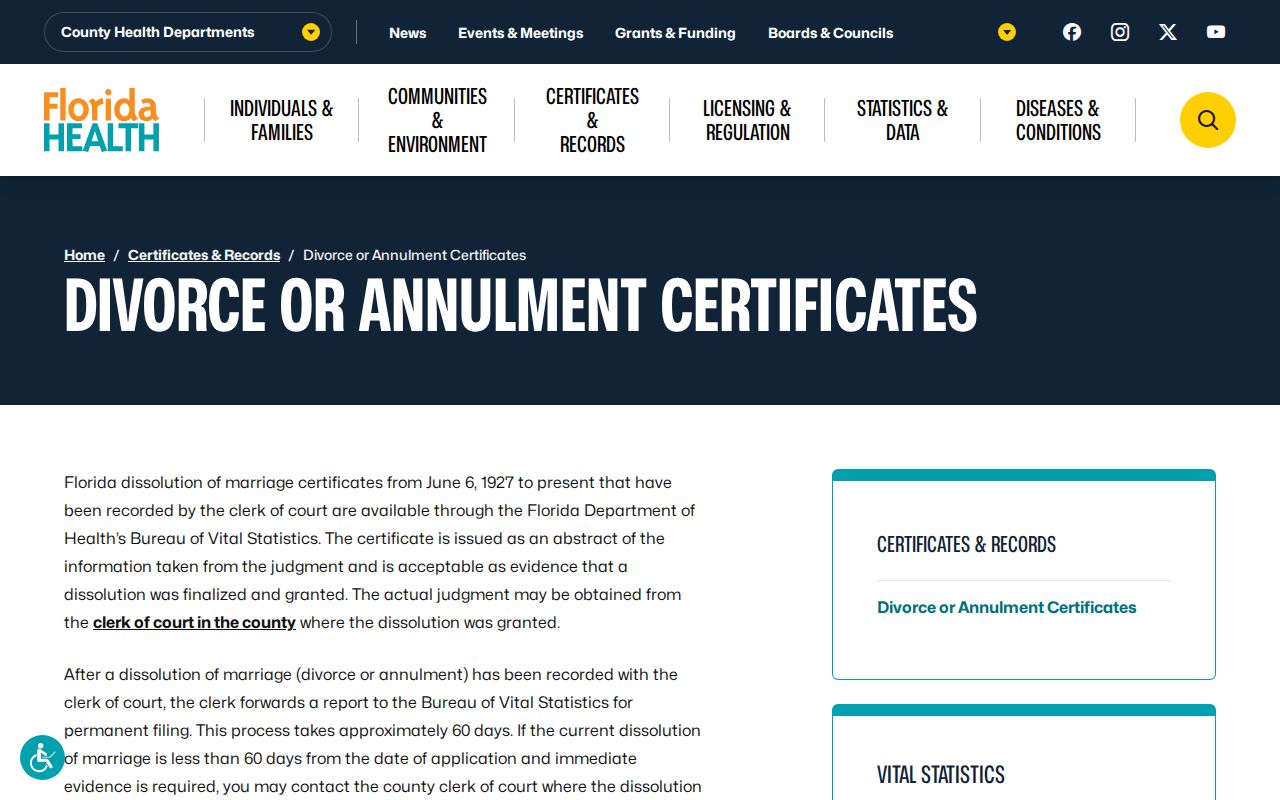
A divorce record may explain changed names or later addresses. It should be paired with the deed, directory, or probate record that actually connects the person to the DeLand parcel.
A probate filing or certificate can close one branch of the research, but it does not prove that every named relative lived at the DeLand address. Keep ownership, occupancy, and family links in separate notes until two sources connect them.
Watch New DeLand Instruments
The Volusia Clerk promotes a free Property Fraud Alert for newly recorded land records. It can notify a subscriber when a matching name appears, which helps a current owner notice an unexpected filing. The alert does not insure title and does not decide whether an instrument is valid.
Open the actual document in Official Records before drawing a conclusion. A common name may trigger an unrelated notice. For previous residents research, the service is most useful as a current endpoint to an older chain, while the deed index remains the source for the transaction itself.